
Before you sit through a single sales presentation in Mexico, someone already decided you were worth talking to. That decision happened long before you reached the resort. It happened at the airport, at your hotel’s front desk, or on the street outside a restaurant.
I ran this side of the business myself. I was Marketing Director for Prestige Travelers in Cancún — an OPC operation, short for “outside public contact.” My team didn’t sell anything. Our only job was finding the right people and getting them to the table. Here’s how that system actually works.
The Mini-Vacation Trap
Many buyers first meet the industry through a discounted travel package, sold before they even land in Mexico. Cheap airfare, a cut-rate hotel room, maybe a free excursion — all bundled together. All of it is conditional on one thing: attending a “90-minute” timeshare tour.
The hotel used for the comparison is almost always basic. It’s priced to make the timeshare product look like a luxury upgrade later. And the deal has teeth. Skip the tour, and you’re often billed the full rack rate for everything you thought was discounted. That penalty clause is buried in the fine print, but it’s the whole reason the trap works.
Airport OPCs: The Taxi Desk That Isn’t
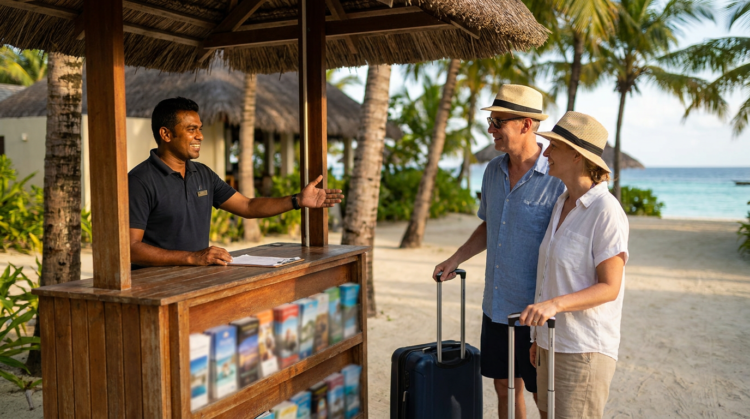
Step off your flight into Cancún, Puerto Vallarta, or Los Cabos. You’ll pass a row of desks staffed by friendly reps offering taxis, transfers, excursions, or “tourist information.” Some of these desks are exactly what they say. Many exist for one purpose: qualifying you for a tour.
The screening happens fast, often disguised as friendly small talk. Are you a foreign tourist, not a local resident? Traveling with your spouse, not staying at a relative’s house? Booked for at least three nights? Married or partnered — single men are typically turned away outright. Reps also feel out your income bracket, because the company only wants prospects who can plausibly afford what’s being sold.
Pass the screening, and the desk earns money twice. A flat fee, often around $40 per couple, just for getting you to show up. Then another 2% to 3% commission if you actually buy.
Hotel Concierge and Front Desk OPCs: The “Free Towel” Pipeline
Inside your own hotel, the concierge or front desk staff can be running the same play. A “welcome gift,” a beach towel, a free breakfast — small, friendly, easy to accept. Say yes, and your name gets passed to a timeshare marketing team. Your room number and length of stay go with it.
This channel pays better than almost any other OPC source, often around 25% commission on a resulting sale. That’s a strong incentive for hotel staff to keep the referrals flowing. It happens even at properties with no timeshare of their own.
Beachfront Excursion Desks: The “90-Minute” Tour
Walk the beach in almost any Mexican resort town. You’ll find desks offering snorkeling trips, sunset cruises, or ATV tours. Some genuinely book excursions. Others exist to qualify tourists the same way an airport desk does. The hook is just a discounted activity instead.
The tour they book you into is billed as 90 minutes. In practice, it can run three, four, even eight hours. Add the pickup wait, the breakfast, the full presentation, and the closing attempts. Nobody tells you that going in.
Restaurant and Grocery Store OPCs
Off-property marketing happens too. Reps work restaurants and even grocery stores in tourist areas. They strike up conversation with anyone who looks like a foreign visitor. It’s slower and less structured than airport or hotel channels. But it reaches tourists who’ve learned to walk past the beach desks.
Taxi Driver OPCs
Some taxi drivers work directly with marketing teams. They steer conversation toward vacation deals during the ride, then drop passengers at a desk instead of the requested destination. It’s a small piece of the network, but a persistent one. Tourists trust a friendly driver more than a stranger at a kiosk.
Who Gets Targeted (and Who Doesn’t)
Every channel above runs on the same underlying screen. The company only pays commission on tours with a real chance of closing. Foreign tourists over locals. Couples or families over single men. A minimum stay of three nights, so there’s time to follow up if the first tour doesn’t close. And a read on income. The sales team doesn’t want to spend two hours on someone who can’t pay.
If you’ve ever wondered why you got approached and your travel companion didn’t, this is usually why. It’s rarely random.
A Marketing Director’s Perspective: The Pay Gap Behind the Pitch
Running an OPC team taught me something tourists never see. The commission structure creates real tension inside the industry itself. Airport and street-level OPCs, who do the hardest and most repetitive work, often earn the smallest cut of a sale. Hotel-based channels, who simply pass along a name and room number, can earn far more for far less effort.
That gap isn’t unique to any one company I worked for. It’s a pattern common across Mexico’s timeshare marketing industry generally. It shapes which channels get pushed hardest and which reps burn out fastest. It’s also part of why the qualification net is cast so wide. More qualified tourists means more chances at a sale, regardless of which desk gets the credit.
Why This Matters
None of this makes every OPC rep dishonest, any more than every closer in a sales room is. Most are doing a job, working a script, and getting paid on commission just like the salespeople they feed. A “free towel” or a “90-minute tour” is really the front door to a qualification system. Once you know that, the choice is yours. Walk through it, or don’t.
If you’ve already sat through the tour, you’ve seen the marketing side of this system. The sales side is broken down step by step in the companion article on this site.
Frequently Asked Questions
Is a Mexico timeshare presentation a scam? Not in the legal sense — nothing described here is illegal. It’s built to move you from a “free” offer to a purchase decision, using psychological pressure you never learned about. Whether that crosses your own definition of a scam is your call. Make it after seeing the whole system, not just the sales pitch.
Is every airport or hotel desk in Mexico connected to timeshare marketing? No. Many are exactly what they claim to be. But in resort towns with a heavy timeshare presence, that’s not always true. Many “free gift” and “discount” offers exist for one reason: qualifying tourists for a tour.
Why do single men get turned away at these desks? Sales teams generally target couples and families. They believe joint decision-makers are more likely to buy, and less likely to walk away mid-presentation. It’s a qualification rule, not a personal judgment.
Can I get the free gift or discount without attending the full tour? Sometimes, but expect resistance and follow-up calls. Watch for a rack-rate penalty clause buried in your package’s fine print, and read it before you accept anything.
How is this different from the sales presentation itself? Marketing gets you to the table; sales closes the deal once you’re there. They’re run by different teams with different pay structures, covered separately in the companion article on this site’s sales-technique breakdown.
Author: Wayne C. Robinson spent 15 years on the resort side of the timeshare industry, including as Sales and Marketing Director for Prestige Travelers in Cancún, a sales and marketing operation targeting tourists for timeshare tours, and later as a contracts verification officer, across the U.S., Canada, Mexico, and the Caribbean. He has since spent 10 years helping owners legally exit their memberships.
Related Articles
- Can You Dispute a Mexico Timeshare Charge With Your Credit Card Company?
- Vidanta Timeshare Review: Sales Tactics, Contract Red Flags & Real Owner Experiences
- Free Mexico Timeshare Contract Review
- The 7-Step Mexico Timeshare Sales Presentation: An Insider’s Breakdown (companion pillar — link once published)
Leave a Reply